

NASA’s Astronaut Aging Research Is Now Powering New Human Longevity Solutions on Earth
- Home
- NASA’s Astronaut Aging Research Is Now Powering New Human Longevity Solutions on Earth
NASA’s Astronaut Aging Research Is Now Powering New Human Longevity Solutions on Earth
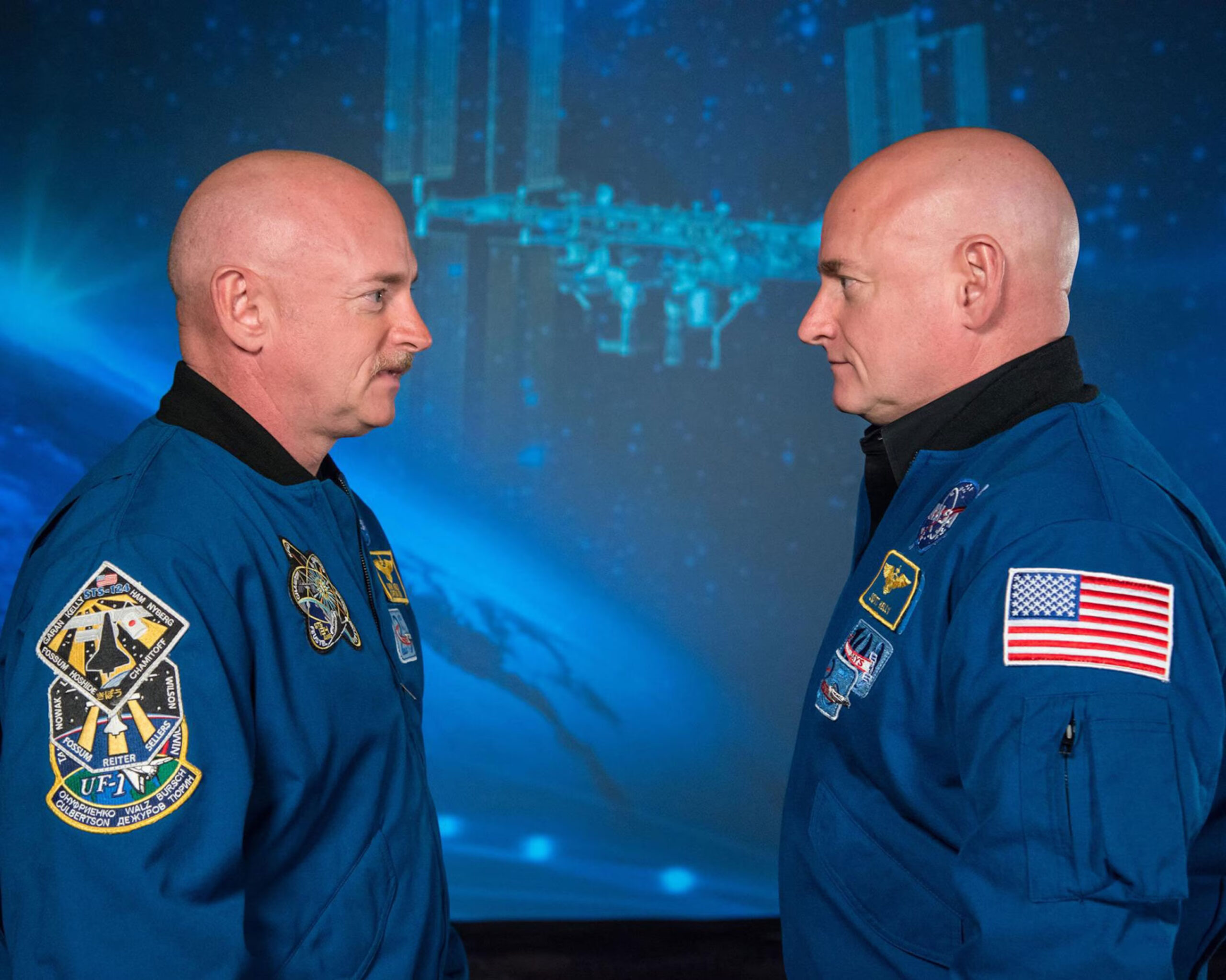
NASA’s research into astronaut aging and adaptation in space is providing groundbreaking insights and solutions for enhancing human longevity here on Earth. Spaceflight induces rapid physiological changes that closely mimic aging processes, making the space environment an accelerated model of aging. NASA scientists study these effects to unravel the biological mechanisms behind age-related diseases and frailty, aiming to translate this knowledge into innovative healthspan-extending therapies for people on Earth.
Accelerated Aging in Space: A Living Model
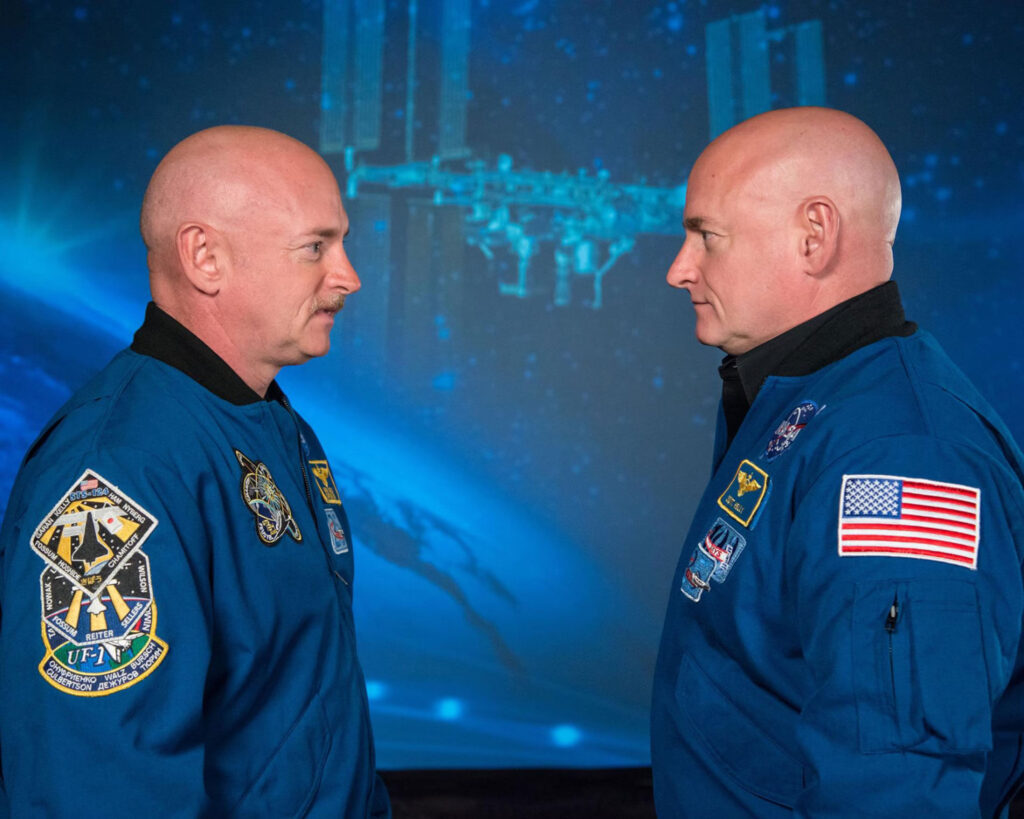
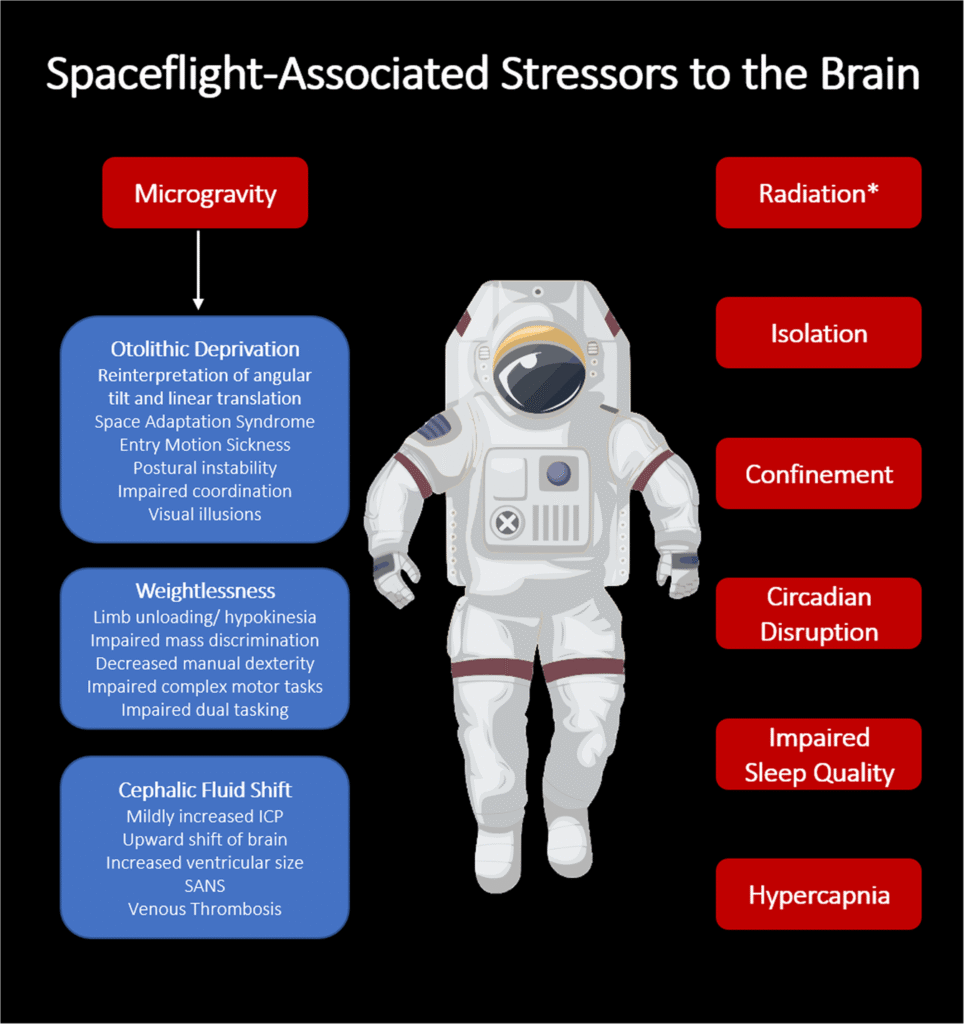
Astronauts experience unique stressors such as microgravity, cosmic radiation, and isolation, which cause accelerated muscle and bone loss, impaired immune function, and genomic instability. Spaceflight triggers molecular and cellular damage similar to, but faster than, aging on Earth, such as increased inflammation, oxidative stress, mitochondrial dysfunction, and DNA damage. For instance, key genes associated with muscle wasting and metabolic disorders alter expression in ways seen in frailty and age-related decline.
Longitudinal studies, including NASA’s Twins Study and data from the International Space Station (ISS), use advanced multiomics approaches (genomics, transcriptomics, proteomics) to paint a detailed biological picture of this accelerated aging. These investigations reveal lasting changes that sometimes persist even after astronauts return to Earth, underscoring spaceflight’s profound physiological impact.
Developing Biomarkers and Frailty Indices for Space and Earth
NASA and international researchers focus on developing biomarkers that quantify biological aging and frailty both in space travelers and aging populations on Earth. These biomarkers—covering DNA damage, telomere length, inflammation markers, and metabolic pathway shifts—enable real-time monitoring of health status during and after missions. The goal is to create a comprehensive multi-omics frailty index to identify early signs of aging-related decline and intervene proactively.
Such an index, validated in astronauts, holds promise as a diagnostic and prognostic tool for geriatric medicine on Earth, offering personalized aging profiles and targeted therapies to extend healthy years of life.
Leveraging Space-Induced Stress for Longevity Research
Spaceflight serves as an accelerated stress test for human physiology, allowing researchers to rapidly explore aging mechanisms that would take decades to unfold naturally. For example, NASA’s rodent research missions on the ISS mimic muscle and bone degradation to identify molecular drivers and test candidate drugs. These findings can hasten the development of therapeutics to treat osteoporosis, sarcopenia, and immune dysfunction in older adults.
Moreover, NASA investigates how exposure to space radiation affects DNA repair and radioresistance mechanisms. Enhanced understanding of these protective pathways could lead to gene therapies, radioprotective drugs, and antioxidant strategies that not only safeguard astronauts on long missions but also mitigate aging-related damage in terrestrial humans.
Stem Cells and Regenerative Medicine
Research into how space conditions affect stem cells has revealed vulnerabilities but also opportunities for regenerative medicine. Pluripotent stem cells, capable of regenerating tissues and repairing DNA damage, may be key to counteracting space-related degeneration. NASA’s studies on stem cell behavior in microgravity provide insights into enhancing tissue repair and longevity—knowledge that can accelerate stem cell therapies for aging-related diseases on Earth.
Synthetic Biology and Personalized Medicine
NASA’s exploration of synthetic biology aims to engineer beneficial microbes and bioengineered molecules such as vitamins and pharmaceuticals tailored for space travelers. These innovations can optimize human health by modulating gut flora, improving immune responses, and providing targeted nutrient delivery systems, which are also applicable to managing aging and chronic diseases on Earth.
Personalized medical approaches using organ-on-a-chip technology and computational models help predict individual responses to space stressors and aging. This not only benefits astronauts but could revolutionize precision medicine for elderly patients by tailoring interventions to their unique biological aging trajectories.
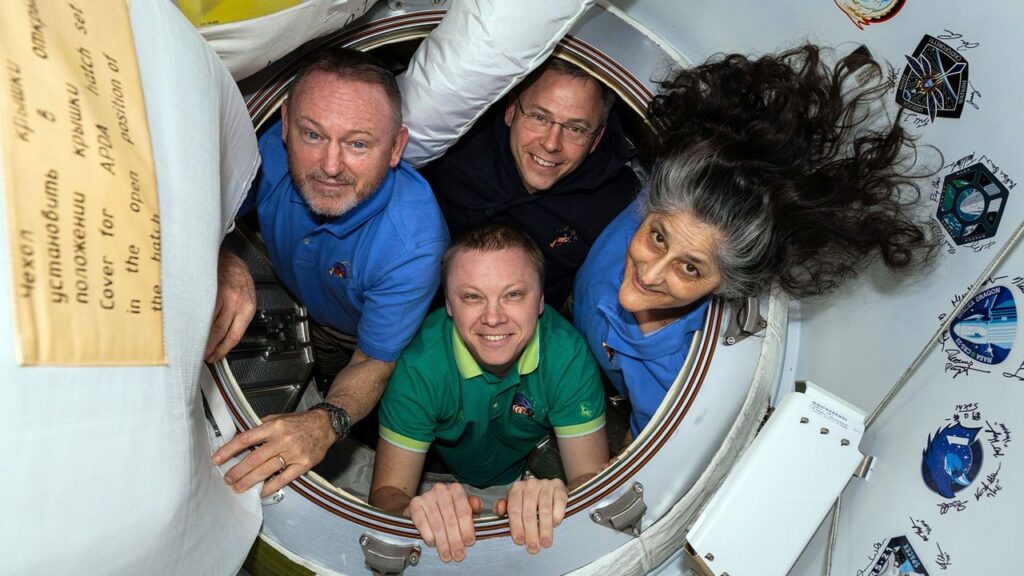
NASA’s deep dive into how humans age and adapt in space is a powerful lens for understanding longevity. Its findings accelerate discovery of molecular drivers of aging, pioneer diagnostics like frailty biomarkers, and foster new therapies including stem cells, gene editing, and synthetic biology. These advances promise to extend healthy human lifespan on Earth, transforming aging from an inevitable decline into a manageable, even reversible, condition. The knowledge gained from the ultimate stress test of space thus holds extraordinary potential to improve human health and longevity worldwide.
This comprehensive approach intertwines astronaut health and longevity science, with real-world impacts already emerging from space medicine research programs and ongoing ISS experiments.
- Share

Longevity
A longevity channel is your trusted guiide to live longer, healthier and stronger. We bring you latest research, expert insights and practical tips on health, nutrition, fitness, mental well being and anti aging breakthroughs.