

Best Supplements for Longevity in 2025: What Works, Why It Works, and the Latest Research Explained
- Home
- Best Supplements for Longevity in 2025: What Works, Why It Works, and the Latest Research Explained
Best Supplements for Longevity in 2025: What Works, Why It Works, and the Latest Research Explained
Certain supplements show promising effects for promoting longevity, according to the latest research in 2025. These supplements act by targeting biological mechanisms involved in aging, improving immune health, supporting cellular function, and mitigating chronic disease risk. Below are the most evidence-backed longevity supplements, detailed explanations of how they work, and the newest research findings in human trials.
Vitamin D
Vitamin D is vital for bone health, immune function, and muscle strength. Recent human trials show that vitamin D supplementation can slow cellular aging by preserving telomeres, which are protective caps on the ends of chromosomes. Longer telomeres are associated with increased longevity and reduced risk of diseases like dementia, diabetes, and cancer. In a large randomized trial, participants taking 2000 IU daily lost less telomere length over time, corresponding to up to three years’ worth of biological aging slowed
Urolithin A (Mitopure)
Urolithin A, found naturally in certain berries and nuts, improves the health of mitochondria—the cell’s powerhouses. Supplementation encourages mitophagy, a cellular process that removes damaged mitochondria, thus rejuvenating cells. Recent clinical studies showed that Mitopure (a purified form of Urolithin A) improved muscle strength and gave immune cells a ‘younger’ metabolic profile in older adults within just four weeks, suggesting it may help fend off age-related immune decline and cellular aging.
Omega-3 Fatty Acids
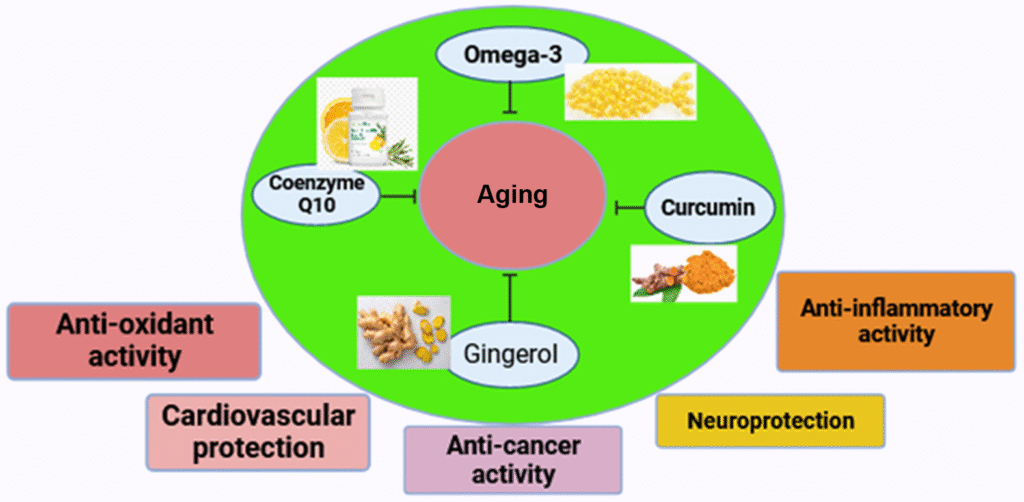
Omega-3s (EPA and DHA) decrease inflammation and reduce the risk of heart disease, which remains a leading cause of mortality worldwide. Supplementation helps maintain vascular health and reduces the risk for cardiovascular events. They also demonstrate neuroprotective effects, helping preserve brain health and cognitive function as people age.
Fisetin
Fisetin is a polyphenol found in fruits and vegetables, notably strawberries. It acts as a senolytic, clearing senescent ‘zombie’ cells (cells that no longer divide but emit harmful signals), which accumulate during aging and contribute to tissue dysfunction. Multiple studies in various organisms suggest fisetin supplementation may extend lifespan and reduce age-related pathologies by maintaining tissue health
The Cel System
A recent 2025 human trial studied the Cel System—a blend of plant compounds, vitamins, and antioxidants designed to target hallmarks of aging. Participants taking the supplement for one year experienced reduced biological age as measured by DNA methylation clocks, improved muscle strength, and better body composition. The supplement also demonstrated improved stem cell health and regulated immune system function, indicating potential for slowing and even reversing aspects of aging at the cellular level. More robust trials are needed, but these initial results are promising.
Metformin
Metformin is an anti-diabetic drug under study as a geroprotective agent. Animal studies and human observational data suggest metformin may delay aging through multiple pathways: reducing chronic inflammation, oxidative stress, improving autophagy, and lowering incidence of cardiovascular disease and cancer. Many human studies show that people with type 2 diabetes on metformin often live longer than similar patients not on metformin and even longer than some nondiabetic populations, though results are confounded by the populations studied. However, large clinical trials (such as MILES, TAME) investigating direct lifespan extension, especially in non-diabetic subjects, are ongoing and results remain controversial; most benefit appears to be for healthspan rather than maximum lifespan.
Other Notable Longevity Supplements
Resveratrol: Mimics calorie restriction signals to cells and provides antioxidant protection, though its effects in humans still require more large-scale trials..
Magnesium: Maintains nerve, muscle, and heart function, reduces risk of chronic diseases.
Creatine: Supports muscle strength and cognitive function in older adults.
Niacin/Nicotinamide: Boosts cellular energy and may aid repair processes, with evidence for cardiovascular and neuroprotective benefits.
Curcumin: Anti-inflammatory effects support healthy aging and may reduce risk of neurodegenerative diseases.
Table: Top Longevity Supplements and Their Mechanisms
The most promising supplements for longevity in 2025—based on clinical and molecular evidence—include vitamin D, urolithin A, omega-3s, the Cel System, and fisetin. These act across diverse biological pathways like telomerase activation, mitophagy, senolytic activity, and immune regulation. Supplementation may offer meaningful benefits when combined with a healthy lifestyle, regular exercise, and balanced diet. For those considering supplementation, consultation with healthcare professionals is important to ensure safety and effectiveness.
Both vitamin D and omega-3s have direct evidence in large, multi-year human trials for slowing biological aging, while metformin’s strongest support comes from diabetic patient data and animal models, with direct lifespan extension in healthy humans still unproven but under active investigation. Omega-3 currently leads for most robust clinical evidence relating directly to longevity mechanisms.
- Share

Longevity
A longevity channel is your trusted guiide to live longer, healthier and stronger. We bring you latest research, expert insights and practical tips on health, nutrition, fitness, mental well being and anti aging breakthroughs.