

Blue Zones Secrets Explained : The Healthier Lifestyle Habits That Add Decades to Your Life
- Home
- Blue Zones Secrets Explained : The Healthier Lifestyle Habits That Add Decades to Your Life
Blue Zones Secrets Explained : The Healthier Lifestyle Habits That Add Decades to Your Life
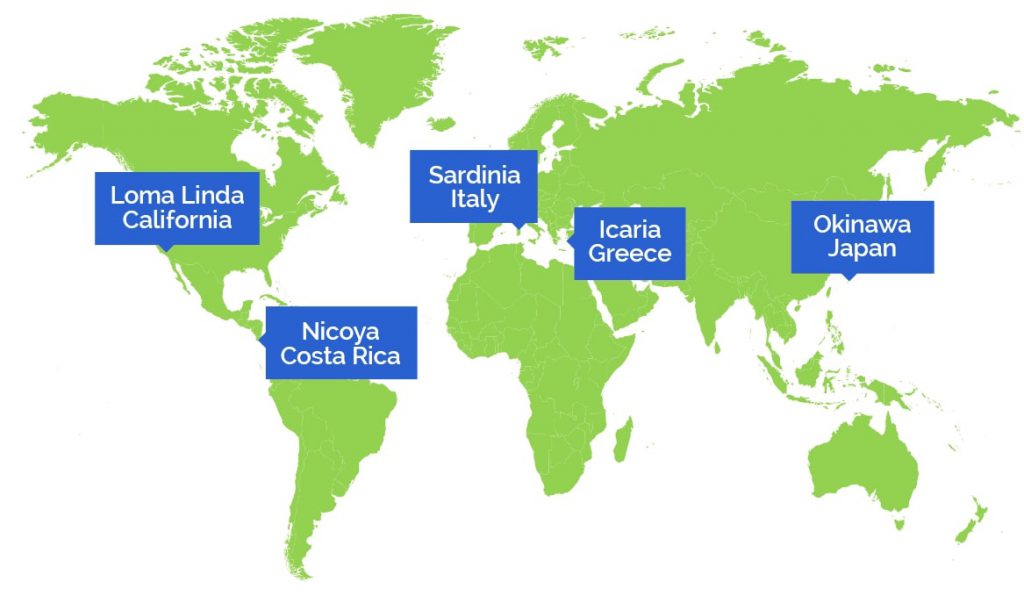
The secrets of Blue Zones and the healthier life habits of their inhabitants have been widely studied, particularly by Dan Buettner and his team, who identified five regions in the world—called Blue Zones—where people live significantly longer, healthier lives, often reaching 100 years or more. These regions are Okinawa (Japan), Sardinia (Italy), Nicoya Peninsula (Costa Rica), Icaria (Greece), and the Seventh-day Adventist community in Loma Linda, California (USA). Their extraordinary longevity is not due to genetics alone but largely to lifestyle and environmental factors. The key to their extended lifespans lies in a combination of natural, sustainable habits that foster physical health, mental well-being, and social connectedness.
What exactly are Blue Zones?
Blue Zones are geographic regions identified by longevity researcher Dan Buettner where people have remarkably low rates of chronic diseases and live longer than average. The concept emerged from data showing that residents in these five areas have a centenarian rate many times higher than in the US or other parts of the world. Importantly, genetics explain only about 20-30% of longevity; lifestyle choices and environmental design account for the majority of healthy lifespan extension. The study of Blue Zones is an attempt to reverse-engineer longevity by understanding these lifestyle factors and applying them broadly.
The Power 9: Core Lifestyle Habits of Blue Zones
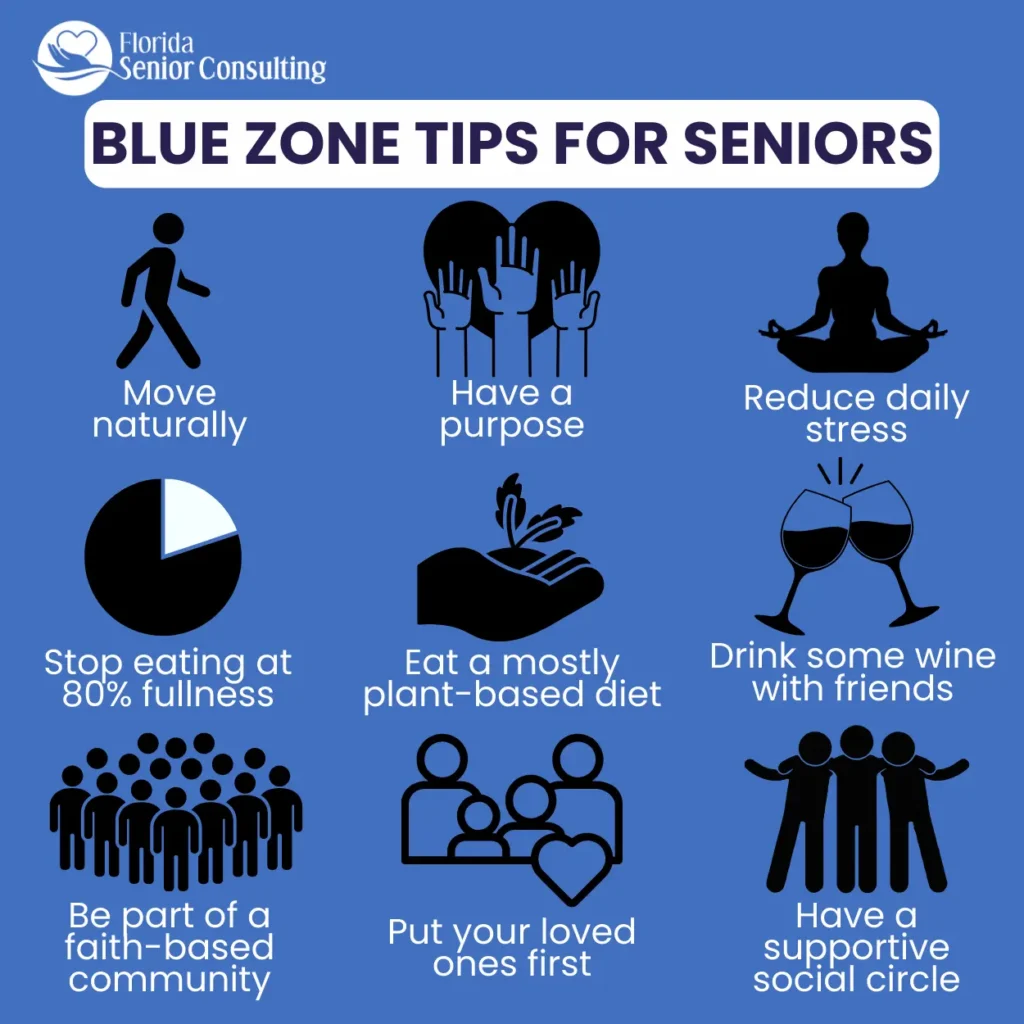
Buettner’s team distilled common denominators among all Blue Zones into nine key habits, known as the Power 9, underlying their residents’ vitality and longevity.
- Move Naturally
Blue Zonese integrate low-intensity, natural movement into their daily routines. They do not rely on gyms or structured exercise but walk, garden, and perform physical tasks naturally throughout the day, keeping their bodies active and fit. - Purpose (Known as “Ikigai” or “Plan de Vida”)
Having a clear sense of purpose adds up to seven extra years of life expectancy. Blue Zone inhabitants maintain meaningful goals or reasons to get up every day. - Downshift
Regular stress reduction practices, such as taking naps, prayer, meditation, or social rituals, help lower chronic stress, which is linked to many diseases. - 80% Rule (“Hara Hachi Bu”)
Inspired by a Confucian teaching from Okinawa, residents eat until they are 80% full, avoiding overeating and controlling calorie intake naturally. - Plant-Based Diet
Their diets are primarily plant-based, emphasizing vegetables, legumes, whole grains, nuts, and fruits with limited meat and dairy consumption. This diet provides antioxidants, fiber, and essential nutrients that reduce chronic disease risk. - Moderate Alcohol Intake
Most Blue Zones enjoy moderate alcohol, especially red wine, often consumed socially and in moderation with meals. Excessive drinking is avoided. - Belong to a Faith-Based Community
Spirituality or faith involvement is common among Blue Zone residents, enhancing their mental health, social ties, and longevity. - Loved Ones First
Family support is pivotal. Aging parents often live with or near family, and strong familial bonds provide emotional support and purpose. - Social Circles
Longevity is supported by close social networks. Blue Zone communities encourage friendships and social interaction, which reduce stress and support healthy habits.
Diet and Nutrition in Blue Zones
The Blue Zone diet shares similarities with the Mediterranean diet but varies regionally:
- Plants as Staples: Beans, legumes, whole grains, nuts, and seeds constitute about 90% of their food intake.
- Limited Meat: When meat is eaten, it is usually small portions, mostly lean, and sporadic rather than daily.
- Healthy Fats: Olive oil, nuts, and seeds are preferred fat sources, while saturated and trans fats are minimal.
- Low Added Sugar: Natural sweetness comes from fruits and minimal processed foods are consumed.
- Moderate Alcohol: Typically red wine, consumed in moderation with meals, mostly in social settings.
- Hydration: Water is the main beverage, sometimes complemented by coffee or tea.
This diet pattern supports cardiovascular health, reduces inflammation, and prevents metabolic diseases prevalent in other populations.
Physical Activity as a Way of Life
Instead of traditional exercise regimens, Blue Zone people engage in purposeful physical activity:
- Walking to daily chores or social gatherings
- Gardening and farming activities
- Manual tasks that keep joints and muscles in use
- Tai Chi in Okinawa as a meditative and physical practice
This kind of everyday movement builds endurance, strength, and mobility essential for aging well.
Sense of Purpose and Mental Well-being
A robust sense of purpose—referred to as “ikigai” in Okinawa and “plan de vida” in Nicoya—is a critical factor. It motivates people to remain active and engaged, providing a psychological buffer against aging-related decline. This sense of meaning is associated with reduced risk of cardiovascular mortality and overall mortality risk.
Stress Reduction Practices
Blue Zone populations incorporate regular stress relief habits, such as:
- Taking daily naps (siestas in Icaria, Greece)
- Spending time in prayer or meditation (Loma Linda, California)
- Engaging in relaxing social rituals
These little rituals help mitigate the chronic stress that otherwise contributes to inflammation and disease.
Strong Social and Family Connections
Blue Zone residents prioritize family, social bonds, and community involvement:
- Elderly relatives are cared for by families rather than isolated
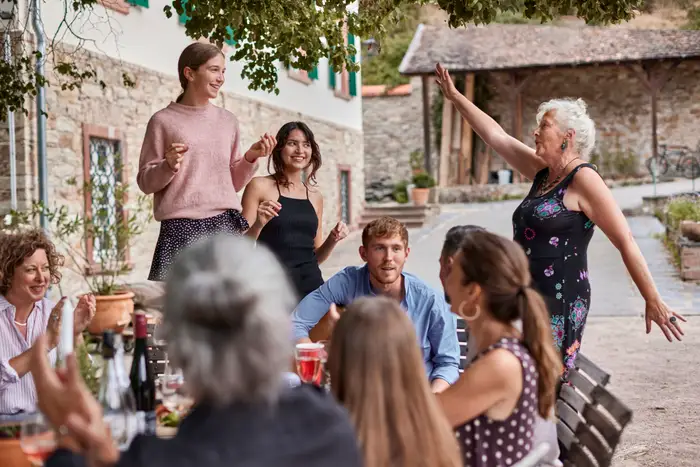
- Communities hold frequent social gatherings and celebrations
- Lifelong friendships and social groups provide emotional and psychological support
These social connections decrease feelings of loneliness and depression, both of which negatively impact health and longevity.
Environmental and Community Design
Buettner highlights that Blue Zones have environments that naturally facilitate healthy choices:
- Walkable villages and neighborhoods
- Access to fresh, local food
- Community spaces fostering interaction
- Policies and cultural norms making healthy behaviors easy and natural
This environmental design supports the individual’s healthy lifestyle without relying on willpower alone.
Applying Blue Zone Principles Globally
Buettner’s work has inspired efforts to create “Blue Zone Projects” worldwide, redesigning communities and workplaces to mimic these natural, healthy environments. These policies have shown promising results in increasing life expectancy and reducing obesity by making healthy choices accessible and habitual.
The secrets of Blue Zones reveal that longevity and health are primarily the outcomes of a lifestyle harmonized with natural movement, plant-based nutrition, purposeful living, social bonding, and stress reduction. These are reinforced by environmental and cultural designs that support sustaining these habits daily. Unlike fad diets or intense exercise regimens, Blue Zones emphasize simplicity, community, and sustainable practices. Adopting these habits can add not just years to life but life to years.
This detailed explanation combines the core findings from research and observed behaviors in Blue Zones, highlighting actionable insights for healthier living and longer lifespan.
- Share

Longevity
A longevity channel is your trusted guiide to live longer, healthier and stronger. We bring you latest research, expert insights and practical tips on health, nutrition, fitness, mental well being and anti aging breakthroughs.